
 MENU

A software project has completed the first iteration, and the testing manager noted that some features were not incorporated and would not approve the software. The business unit manager who will use the software is satisfied with the software and wants to start the rollout.
What should the project manager do?
In the PMBOK Guide, a project manager often acts as a negotiator and facilitator when there are conflicting requirements or perspectives between key stakeholders. This scenario highlights a conflict between Quality/Compliance (Testing Manager) and Business Utility (Business Unit Manager).
Why Choice B is correct:
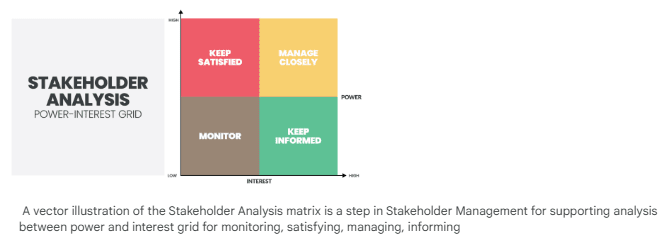
Stakeholder Management: The first step in resolving any conflict is to facilitate communication. By bringing both managers together, the Project Manager allows them to align on the 'Definition of Done' and the 'Minimum Viable Product' (MVP).
Understanding Trade-offs: The Business Unit Manager might find the software 'good enough' for immediate needs, while the Testing Manager might be worried about long-term stability or technical debt. A meeting allows for a risk-based decision: can the rollout proceed with known issues, or are the missing features critical?
Conflict Resolution: According to PMI, Collaborating/Problem Solving (win-win) is the preferred conflict resolution technique. This meeting provides the platform to reach a consensus or a compromise without immediate escalation.
Analysis of other options:
A (Escalate to the PMO): Escalation should be a last resort. The PMO provides guidance and templates, but they are not typically responsible for resolving functional disputes between mid-level managers until the Project Manager has attempted to facilitate a resolution.
C (Resolve all open issues): While this sounds proactive, it ignores the Business Unit Manager's request to start the rollout now. It also assumes the project has the time and budget to fix everything immediately, which may not be the case in an iterative environment where some features are intentionally deferred to future iterations.
D (Escalate to the sponsor): Similar to Choice A, skipping straight to the Sponsor (the person providing the money/resources) is premature. The Sponsor expects the Project Manager to manage stakeholder expectations and only bring 'unresolvable' issues to their attention.
Key Concept: The Project Management Institute (PMI) emphasizes that a Project Manager must be an Integrator. By organizing a meeting (Choice B), the PM ensures that the rollout decision is informed by both technical quality standards and business necessity, ensuring that the final path forward is documented and agreed upon by both parties.