Free Preparation Discussions
 MENU
MENU
Free WGU Organizational Behavior Exam Dumps October 2026
Here you can find all the free questions related with WGU Organizational Behavior (GTO1, C715) (WGU Organizational Behavior) exam. You can also find on this page links to recently updated premium files with which you can practice for actual WGU Organizational Behavior (GTO1, C715) Exam. These premium versions are provided as WGU Organizational Behavior exam practice tests, both as desktop software and browser based application, you can use whatever suits your style. Feel free to try the WGU Organizational Behavior (GTO1, C715) Exam premium files for free, Good luck with your WGU Organizational Behavior (GTO1, C715) Exam.MultipleChoice
What is true about the relationship between performance evaluation and motivation?
Options
MultipleChoice
How can an organization transmit its culture to its employees?
OptionsMultipleChoice
Which method should be used to maximize team member participation in a global meeting?
OptionsMultipleChoice
A team is struggling to resolve procedural issues that govern their performance. What should the team leader do to resolve the problem?
OptionsMultipleChoice
An employee is motivated by economic success, well-being, world peace, and autonomy and self-reliance in the workplace. Which of the employee's motives is an instrumental value?
OptionsMultipleChoice
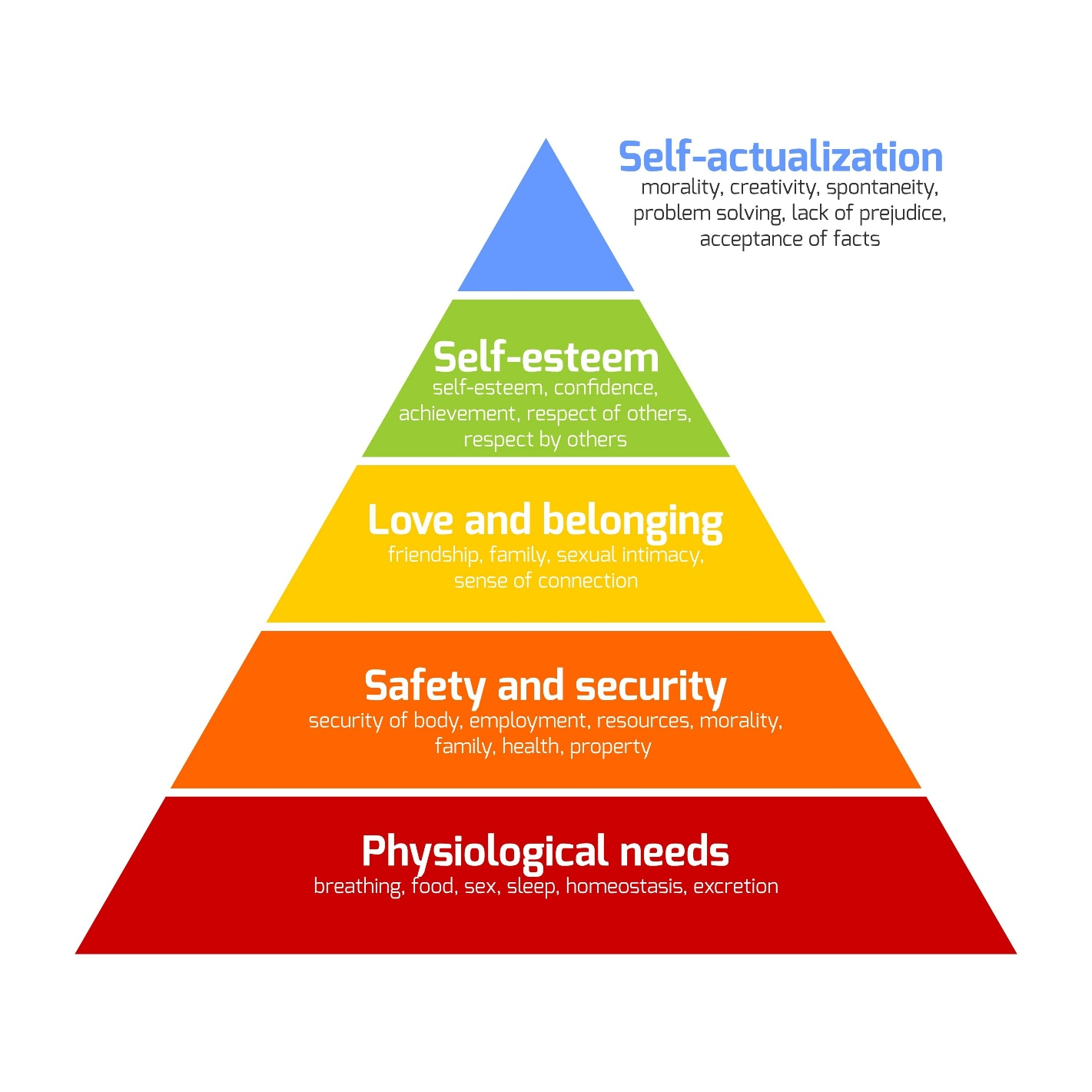
After physiological desires such as hunger, thirst, and shelter are met, the next level of desires becomes the basis for motivation. This is an example of which theory?
Options