
Free Preparation Discussions
 MENU
MENU
Huawei H12-811_V2.0 Exam - Topic 3 Question 7 Discussion
Topic #: 3
On the OSPF network shown in the figure, all IP addresses can communicate with each other. Then the following configurations are added on R1:
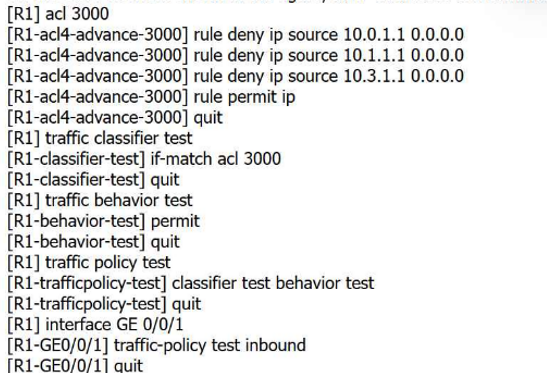
Which IP address of S1 can successfully ping 10.2.23.3?
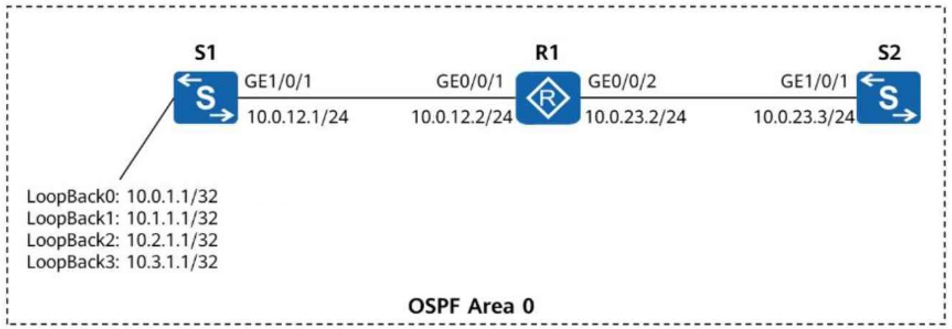
According to the topology and the original question scenario, the correct answer is 10.2.1.1, so option B is selected. In HCIA-Datacom troubleshooting questions of this type, the goal is usually to identify the correct management address, next-hop interface address, or testing destination based on the addressing design shown in the figure.
The answer depends on the role of the device and the direction of the connectivity verification. In such topologies, each interface belongs to a specific network segment, and the selected address must match the intended test target on that segment. If the test is being performed toward the neighboring device or a specific reachable interface, using the correct IP on the proper subnet is essential. An incorrect address may still look familiar from the topology but would not represent the right test endpoint. HCIA-Datacom places strong emphasis on reading topology labels carefully, matching interface addresses to subnet assignments, and choosing the correct destination when using tools such as ping, tracert, or service-specific connectivity tests. This question mainly checks address recognition accuracy in a troubleshooting context.
Louvenia
2 days agoFernanda
7 days agoStefanie
12 days agoElbert
17 days agoVilma
23 days agoErinn
28 days agoTabetha
1 month agoShalon
1 month agoSherly
1 month agoGlenna
2 months agoLanie
2 months agoPhung
2 months agoBrittani
2 months agoReuben
2 months agoReuben
2 months agoMozell
3 months agoColette
3 months agoLuann
3 months agoHuey
5 months ago