
Free Preparation Discussions
 MENU
MENU
AACN CCRN-Adult Exam - Topic 1 Question 29 Discussion
Topic #: 1
A patient is admitted with Gl bleeding. During the assessment, the nurse notes the patient to be tremulous, anxious, and startles every time he is touched by the nurse. Which of the following is the most pertinent part of the patient's history to obtain?

Explore
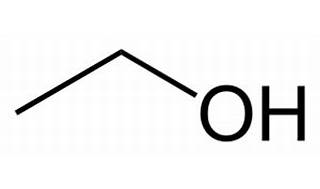
The patient's symptoms of tremulousness, anxiety, and startle response suggest that he may be experiencing alcohol withdrawal, which can occur within hours to days after the last drink. Alcohol withdrawal can cause severe complications, such as seizures, delirium tremens, and death, if not treated promptly and appropriately. Alcohol withdrawal can also worsen GI bleeding by increasing gastric acid secretion, impairing clotting factors, and causing hypertension and tachycardia. Therefore, the most pertinent part of the patient's history to obtain is the last alcohol intake, which can help determine the risk and severity of withdrawal and guide the management of the patient.
Management of moderate and severe alcohol withdrawal syndromes: This article states that ''Symptoms of alcohol withdrawal occur because alcohol is a central nervous system depressant. When a person drinks frequently, the brain compensates for alcohol's depressant effects by increasing the activity of excitatory neurotransmitters, such as norepinephrine, serotonin, dopamine, and glutamate, and reducing the activity of inhibitory neurotransmitters, such as gamma-aminobutyric acid (GABA). When alcohol intake is abruptly discontinued or reduced, this neuroadaptation is unmasked, resulting in a hyperexcitable state that is responsible for the characteristic withdrawal symptoms.''
Alcoholic Gastritis: Causes, Symptoms and Treatment: This article states that ''Alcohol Gastritis is a type of acute gastritis and is caused by excessive alcohol consumption. The sudden inflammation of the stomach lining can be very painful and cause severe stomach cramping, irritability and vomiting. While consuming too much alcohol is the main cause of Alcohol Gastritis, it often develops in connection with some sort of infection, direct irritation or localized tissue damage. It can be caused by: Taking non-steroidal, anti-inflammatory medications like aspirin or ibuprofen (i.e., NSAIDs). Certain bacterial infections. Bile reflux from proximal small intestine. Autoimmune disorders.''
Can You Get Internal Bleeding from Alcohol Abuse: This article states that ''Over time, alcohol abuse starts to eat away at the stomach lining. Continued drinking sets the stage for alcoholic gastritis to develop. Under these conditions, internal bleeding from alcohol abuse takes the form of blood oozing from stomach lines on an ongoing basis.''
Currently there are no comments in this discussion, be the first to comment!