
Deal of The Day! Hurry Up, Grab the Special Discount - Save 25% - Ends In 00:00:00 Coupon code: SAVE25
Welcome to Pass4Success

- Free Preparation Discussions

AACN CCRN-Adult Exam - Topic 1 Question 20 Discussion

Posted by Sharen on Apr 05, 2026 at 11:08 PM

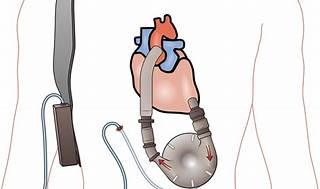
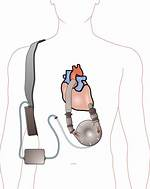
A patient with a left ventricular assist device has been hospitalized for 5 days. A nurse notes anasarca and skin breakdown over multiple pressure points. When addressing the patient's nutritional needs, which of the following should the nurse consider?
Suggested Answer: A

Protein calorie malnutrition (PCM) is a condition that occurs when the body does not get enough protein and calories to meet its needs. PCM can affect the immune system, wound healing, and organ function. Patients with a left ventricular assist device (LVAD) are at risk of PCM due to increased metabolic demands, fluid retention, inflammation, and poor appetite. Edema, or swelling, is a common sign of fluid overload in patients with LVADs. However, edema can also mask the physical signs of PCM, such as muscle wasting, weight loss, and skin changes. Therefore, the nurse should consider edema as a potential factor that can interfere with the assessment of the patient's nutritional status. Other methods to evaluate the patient's nutritional needs include laboratory tests, dietary intake, and body mass index. The nurse should also collaborate with a dietitian to provide appropriate nutritional interventions for the patient, such as oral supplements, enteral feeding, or parenteral nutrition.


Caring for patients with a left ventricular assist device, page 28.

Ventricular assist device (VAD) - Mayo Clinic, under ''Why it's done''.

Preoperative Nutritional Optimization and Physical Exercise for ..., under ''Introduction''.

Obesity in Patients with Advanced Heart Failure and Left Ventricular ..., under ''Introduction''.

Get Premium CCRN-Adult Questions as Interactive Web-Based Practice Test or PDF Real Exam Format Detailed Explanations Instant Access Get Your Practice Test
12 comments · newest first
DO
Douglass 3 months ago
But what about B? Low hemoglobin could indicate issues too.
RU
Ruth 3 months ago
I agree, A makes sense. We need to see the real nutritional status.
AU
Augustine 3 months ago
I think A is the best choice. Edema can hide malnutrition signs.
GE
Gerald 3 months ago
Wait, I didn't know edema could mask malnutrition!
JO
Joye 3 months ago
D) Lipids are super important for protein absorption!
LO
Louisa 4 months ago
C) Parenteral amino acids? Seems extreme for this case.
TA
Tammy 5 months ago
I disagree, B) low hemoglobin isn't the first sign.
DE
Deeanna 5 months ago
A) Edema can definitely hide malnutrition signs.
NI
Nikita 6 months ago
I recall that lipids play a role in nutrient absorption, but I'm not sure if they are specifically needed for protein calorie replacements like in option D.
VE
Veda 6 months ago
I practiced a question similar to this, and I think parenteral amino acids are usually for severe cases, so C might not be the first-line treatment here.
FL
Flo 6 months ago
I'm not entirely sure, but I think low hemoglobin and hematocrit are more related to anemia than malnutrition, so maybe B isn't the best choice?
GE
Genevieve 6 months ago
I remember studying that edema can really hide signs of malnutrition, so I think option A makes sense.
0/2000 characters

Save Cancel